Polestar’s Formula 2030 concept is the hot hatch we didn’t know we needed

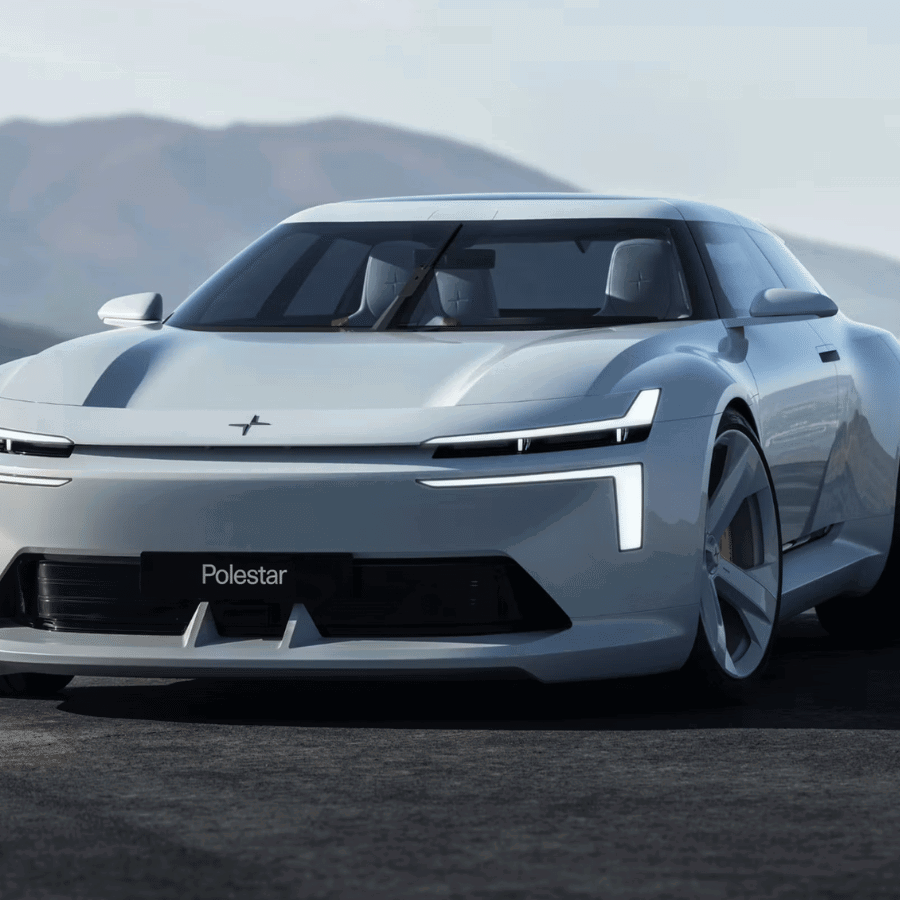
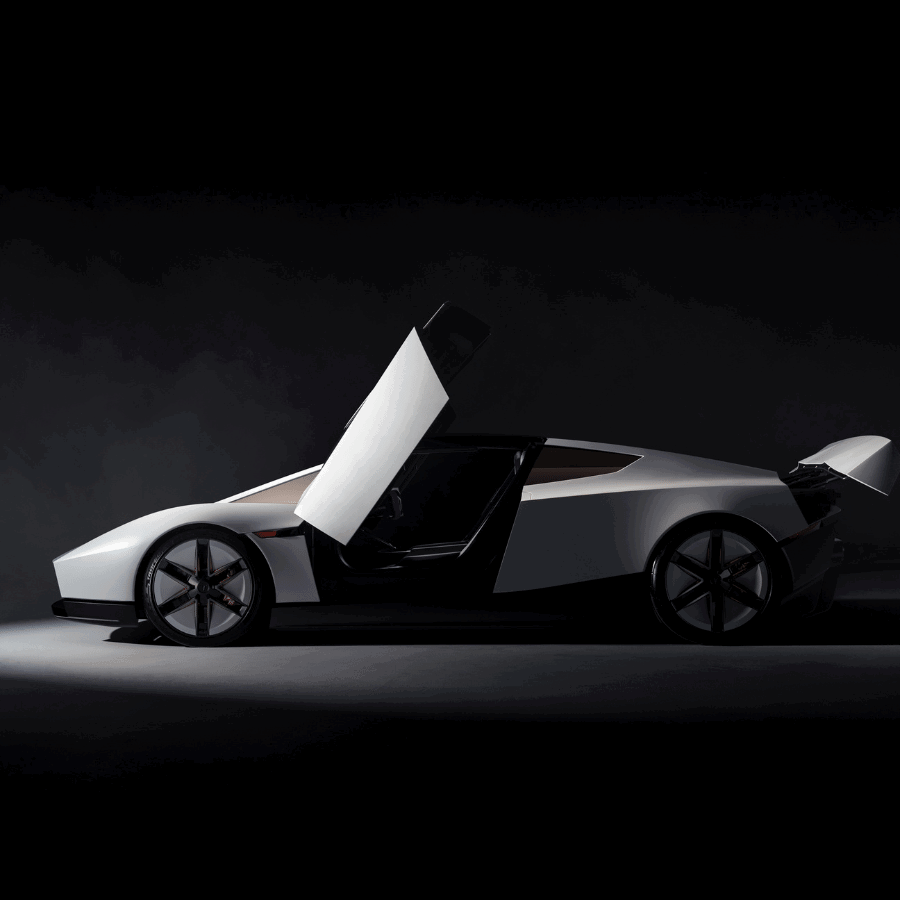
Polestar has dropped a concept that looks like it escaped from a particularly angry Swedish design studio. The Formula 2030 is low, wide and properly chunky, and nobody’s quite sure what to call it. Coupe? Hot hatch? SUV? Who cares, it looks brilliant.

It measures 4,680mm long, 2,021mm wide and just 1,350mm tall, so it sits somewhere between the current 2 and the upcoming 7. Short overhangs, coke bottle hips, big arches and deep-dish 22-inch wheels do the rest. Polestar calls it “the physical manifestation” of its Formula 2030 strategy, which is corporate speak for “sell more cars and make some money.” It’s also the first concept from design boss Philipp Römers since he took the job in January 2025.
Don’t expect to buy it, though. There’s no powertrain info and no production plan, although Römers says it could fit a current Geely group platform. So if you shout loud enough, who knows.
What you will see is plenty of it on the road. The nose previews the next Polestar 2, due in 2027, with Dual Blade headlights and a little wing ahead of the clamshell bonnet. Around the back, the “UFO-esque” rear ditches the familiar light bar for Single Blade lights, and that, along with other details, should turn up on the Polestar 7 in 2028. There’s also a single central wiper that looks like it was nicked from a Group C car, which we’re totally fine with.
Inside is where it gets interesting, because Polestar has brought back actual buttons. Hallelujah. A panel of eight physical controls sits below a 12.2-inch centre screen, and you can pick rocker switches or rotary controllers and then choose what they do. The driver gets a 20-inch display mounted to the column, there’s no passenger screen, and there’s a topless steering wheel. In Performance mode, the wheel and display move closer to your chest. Drive modes are Normal, Performance and, because it’s 2026, Autonomous.

It’s not all gimmicks. Öhlins dampers and Brembo brakes with Swedish Gold calipers are on the spec sheet, and all four seats get Swedish Gold harnesses and inflatable bolsters. The frunk is big enough for two helmets and a fire extinguisher, which tells you what Polestar has in mind.
Being a Polestar, it’s also dripping in sustainable materials. The seat backs are made of a flax and bio-based polypropylene blend, the structure uses Bcomp natural fibre composite instead of carbon, the exposed seat frame is low-emission galvanised steel, and the doors are fully recyclable.
The timing matters. Polestar badly needs a hit as the 2 is replaced, the 5 tests whether people will pay over £100,000 for one, and the 7 arrives to take on the EV SUV crowd. If this is the direction, we’re in. Just keep the buttons.




Comments